Botanical rose

90-007-1
90-007-2

Rosa pimpinellifolia Mary Queen of Scots

Botanical rose

- – Robert Brown

Bright, vivid pink flower with a whitish centre and contrasting yellow stamens. - landscape shrub rose - medium-strength, noticeably scented rose - scent description not available

– Dath bláthanna bándearg geal le lár bán.
– Tor tíogair dlúth, oiriúnach mar fhál íseal.
– Friotaíocht den scoth i gcoinne galair fungasacha.
– Crainníní dubha ornáideacha don fhómhar déanach.
– Tor seasmhach, crua go dtí ‑34 céim.
Gné speisialta: Bláth aonbhuailte luath an tsamhraidh a mheallann beacha go flúirseach.
Style in the garden – Value-based choice
Rosa pimpinellifolia Mary Queen of Scots
antoniaROSE® ORIGINAL rós i bpota 2 lítear ar a fhréamhacha féin
18,80 €
As stoc. Faoi shaothrú. Go sealadach gan fáil.
4 (5685)
facebook   twitter

ROSA PIMPINELLIFOLIA MARY QUEEN OF SCOTS – lilac-white landscape shrub rose - Robert Brown

Step out to meet Mary in soft Irish light: a once-a-year burst of spring colour, then a long season of characterful structure and inky autumn hips. This historic botanical shrub rose shrugs off Atlantic breeze and rainfall, coping well with cool summers and damp, heavy soils when drainage is sensibly managed. Semi-double blooms open in shades of lilac-pink with a pale heart and golden stamens, drawing in bees for a few unforgettable weeks. After flowering, it quietly gets on with life on its own roots, forming a tough, bushy hedge or specimen that fits neatly into Irish cottage borders and small city front gardens.


Usage options

Target areaReasoning
Cottage-style front garden hedge Forms a bushy, upright line 50–100 cm tall, ideal for low, informal boundaries along paths or footpaths. Once-flowering display is concentrated but memorable, then dark hips carry visual interest into autumn for busy urban gardeners.
Naturalistic and pollinator-friendly border Semi-double flowers with clearly visible yellow stamens offer easily accessible pollen, making this an inviting stop for bees in a mixed perennial border. Suits relaxed, wildlife-friendly gardens for nature-oriented homeowners.
Coastal and exposed sites Robust shrub heritage and good disease resistance suit breezier, wetter gardens where more delicate roses struggle, especially where cool summers and frequent showers are the norm for Atlantic-facing properties.
Low-maintenance clay or poorer soils Tolerates moderately dry, less fertile ground once established, as long as initial planting improves drainage. Own-root plants settle steadily over several seasons, giving reliable structure for beginners seeking simplicity.
Family garden shrub screen Densely thorned, leafy growth provides a gently defensive divider between play spaces and boundaries, with spring colour and autumn hips for seasonal interest, suiting practical family gardeners.
Small specimen in Irish cottage garden Plant as a single shrub at 115 cm spacing to let its rounded form and historical character stand out amongst herbs, foxgloves and daisies, appealing to romantic cottage-garden fans.
Container on terrace or small patio Can be grown in a large container of at least 40–50 litres with good drainage, giving those with limited ground space a once-blooming, scented shrub and autumn hips for space-conscious city dwellers.
Traditional cutting and heritage-themed beds Spring stems with semi-double blooms and medium scent make short-lived but charming cut flowers, while the shrub’s historic Scottish origin suits heritage borders for history-loving rose collectors.

Styling ideas

  • Cottage-Romantic – Underplant with soft geraniums and foxgloves to echo its lilac-pink tones in a relaxed, “girly” Irish cottage border – ideal for nostalgic, fragrance-loving gardeners.
  • Front-Garden Frame – Use a short hedge along a path with low evergreen box or Ilex crenata behind, giving structure and seasonal colour – perfect for Dublin terrace owners wanting neat impact.
  • Pollinator-Ribbon – Thread plants through a mixed strip of daisies and Aster dumosus ‘Apollo’ to create a bee-friendly corridor – suited to wildlife-focused families.
  • Autumn-Hip Focus – Pair with ornamental grasses and Hypericum ‘Miracle’ so its dark hips gleam against warm seedheads – appealing to those who enjoy subtle, long-season interest.
  • Coastal-Natural – Mix with tough shrubs like St John’s wort and low-growing perennials for a wind-tolerant, low-input scheme – good for busy gardeners in exposed, seaside locations.

Technical cultivar profile
PropertyData
Name and registration Rosa pimpinellifolia Mary Queen of Scots, botanical shrub rose, landscape type; ARS exhibition name ‘Mary Queen of Scots’. Historical, unregistered cultivar grown on its own roots.
Origin and breeding Traditional Scottish shrub rose of unknown parentage, raised by Robert Brown and distributed by Dickson and Brown, Perth, Scotland, in cultivation since before 1803.
Awards and recognition Historically cherished botanical shrub valued for character rather than show-bench awards; favoured by collectors seeking old-fashioned charm and robust garden performance.
Growth and structural characteristics Bushy, upright shrub 50–100 cm high and wide, densely thorned, with mid-green foliage and good self-cleaning of spent blooms, followed by rounded dark hips persisting into autumn.
Flower morphology Semi-double blooms, 13–25 petals, small (1–4 cm) and mainly solitary. Once-flowering habit, producing a notable spring display rather than repeat flushes through the season.
Colour data and phenology Medium pink with pale whitish centre and yellow stamens; RHS 62C outer, 62D inner. Colour gently fades to softer pastel pink and stronger white tones as flowers age.
Fragrance and aroma Medium-strength, noticeable scent of traditional rose character; not overpowering but clearly detectable on still days, adding sensory interest around paths and entrances.
Hip characteristics Produces small, spherical black hips, 10–15 mm diameter, offering strong ornamental value into autumn and winter; decorative only and not recommended for culinary or medicinal use.
Resistance and winter hardiness Excellent hardiness to about −34 to −29 °C (H7, USDA 3a) with high resistance to black spot, powdery mildew and rust, suiting low-input gardens and cooler, wetter areas.
Horticultural recommendations Best for hedging, shrub screens, borders and naturalistic or coastal gardens; plant 45–115 cm apart depending on use. Thrives in sun or light shade with reasonable drainage on most soils.

Rosa pimpinellifolia Mary Queen of Scots offers bee-attracting spring blossom, dark ornamental hips and a tough, long-lived own-root shrub presence; a thoughtful choice if you want lasting charm with little fuss.

Detailed product attributes

Product Identification Data

Product Name: ROSA PIMPINELLIFOLIA MARY QUEEN OF SCOTS – lilac-white landscape shrub rose - Robert Brown
Product Type: antoniaROSE® ORIGINAL - rós i bpota 2 lítear ar a fhréamhacha féin
Cultivar Authenticity: Cigireáilte:25.03.2025
Cultivar Merit Rating: premium bronze
Item Number: [1104] 90-007 (14.02.2026) antoniarose.ie

Name and Registration

Cultivar Name Meaning: The name was given in honour of Mary, Queen of Scots.

Synonym Name: King of Scots; King of Scotland; King of the Scotch; Large Double Two-Coloured; Large Two-Coloured; Roi d
Original Commercial Cultivar Name: Mary Queen of Scots
Trade Name: Rosa pimpinellifolia Mary Queen of Scots Botanical rose Robert Brown
Rose Group: Shrub
Commercial Type: landscape shrub rose
Commercial Group: Rós luibheolaíoch
Exhibition Category: shrub rose, park rose and hedging rose
Collection: Botanical rose

Origin and Breeding

Initial Distributor: Dickson and Brown (Scotland)
Year of Introduction: before 1803
Registration Year: unregistered variety
Breeder: Robert Brown
Breeding Company / Institution: Dickson and Brown (Perth, Scotland)
Breeding Year: Scotland, before 1803
Parentage: unknown

Growth and Structural Characteristics

Height: 50–100 cm
Spread: 50–100 cm
Growth Habit: bushy, upright
Foliage: The variety has dense foliage. Little information is available about the leaf surface, and the leaves are mid‑green in colour.
Prickliness: densely thorned
Self-Cleaning Description: Once-flowering blooms usually shed their petals after fading, and rounded, dark rose hips develop that remain on the shrub until autumn.
Self-Cleaning Intensity: self-cleaning: good

Flower Morphology

Petal Count: 13–25
Flower Fullness: semi-double
Flower Form: no data available
Flower Size: S (1 - 4 cm)
Inflorescence Type: solitary
Colour Code: ARS code: MP RHS code: 62C (outer), 62D (inner)
Repeat Flowering: Non-remontant, blooms once.

Colour Data and Phenology

Colour: pink
Flower Colour: Bright, vivid pink flower with a whitish centre and contrasting yellow stamens.
Closed Bud: Closed bud of medium pink with a slight lilac‑mauve tone, the outer sepals exhibiting a pale greenish base colour.
Freshly Opened Flower: The petals open in a light, fresh pink with a rapidly lightening, whitish transition towards the petal bases.
Full Bloom: Vivid but not gaudy pink petals with a distinct, pale whitish centre. Towards the edges the pink is richer and gently fades toward the centre, creating a harmonious colour transition with the yellow stamens.
Pre-Fading Flower: The pink tone slightly fades, shifting towards a softer, pastel pink. The whitish centre becomes more dominant, and a slight translucency appears at the edges of the petals.
Colour Retention Level: The pink hue fades and the white tone intensifies.

Fragrance and Aroma

Fragrance Strength: medium-strength, noticeably scented rose
Fragrance Character: scent description not available
Pollinator Attraction: Smaller, simple or semi‑double flowers with conspicuous stamens and easily accessible nectar and pollen therefore make this variety particularly attractive to bees.
Pollinator-Friendly Rating: Specifically pollinator-friendly variety.

Rose Hip Characteristics

Rose Hip Shape: spherical
Rose Hip Notes: Its dark-coloured rose hips are primarily ornamental, providing an attractive autumn display; they are not recommended for consumption.

Resistance and Hardiness

Hardiness (°C): -34–-29 °C
Heat and Drought Tolerance Description: Tolerates moderate summer heat and drier, poorer soils; requires regular watering during prolonged high temperatures and extended drought.
Disease Resistance: resistant
  • powdery mildew – resistant
  • black spot – resistant
  • rust – resistant

Horticultural Recommendations

Recommended Spacing: for mass planting 75 cm, for hedging 45 cm, as a solitary specimen 115 cm
Planting Density: square planting 1,8 plants/m², hexagonal arrangement 2,0 plants/m²
Partial Shade Tolerance: Tolerates partial shade
Maintenance Requirements: Maintenance requirement low; good–excellent disease resistance — most fungal diseases (black spot, powdery mildew, rust) are rare, so it generally requires little plant protection or intervention.
Key Uses: border beds and perennial edges, low hedging and shrub screens, naturalistic and cottage-style gardens, coastal gardens, cut flowers, specimen shrub, container cultivation

Notes

Strengths: Style in the garden – Value-based choice
Companion Plants: Aster dumosus ‘Apollo’ - dwarf Michaelmas daisy Hypericum Miracle - St John’s wort Ilex crenata - globe, serrated‑leaved holly
Note: -
ROSA PIMPINELLIFOLIA MARY QUEEN OF SCOTS – lilac-white landscape shrub rose - Robert Brown
Bright, vivid pink flower with a whitish centre and contrasting yellow stamens. - landscape shrub rose - medium-strength, noticeably scented rose - scent description not available
Ceannaigh rósanna ar líne - landscape shrub rose - Rosa pimpinellifolia Mary Queen of Scots - pink - (50–100 cm)
Bláthaireacht: solitary airde: 50–100 cm Cruth na bláthanna: no data available Friotaíocht gheimhridh: 6a pink - Dickson and Brown (Scotland) landscape shrub rose - Méid an bhlátha: S (1 - 4 cm) Méid an bhlátha: S (1 - 4 cm) - airde: 50–100 cm airde: 50–100 cm - Líon bláthanna: semi-double Rosa pimpinellifolia Mary Queen of Scots - Rósanna sa ghairdín | antoniaROSE® Original - premium bronze Robert Brown

Léirímid cuma sheachtrach ár rósanna atá le ceannach ar líne ónár siopa gréasáin.


Which product type is right for you?


Information

In what condition do we send the roses from our online shop?

Let us ask ourselves the question: What do I want to use the rose for?
Flower? – Location? – Screening? – Fragrance? – Height? – Breeder? – Rose hips?

Rose purchase information
Payment methods – Delivery costs – Delivery – Complaints handling

Care guide

Our product is a rose grown with unique pharmaROSA® cultivation technology!

2 litre, own-root, potted rose.
With shoots appropriate to the season.
With roots thoroughly interwoven through the growing medium.
Quality in line with the requirements of the E.N.A. (European Nurserystock Association).
In unique packaging that prevents damage.
Can be planted during frost-free periods.
True-to-type rose plant with an individual identifier.

The pharmaROSA® own-root potted rose is a well-rooted plant that supports reliable establishment when planted and cared for properly, so it can be planted whenever the soil is not frozen.


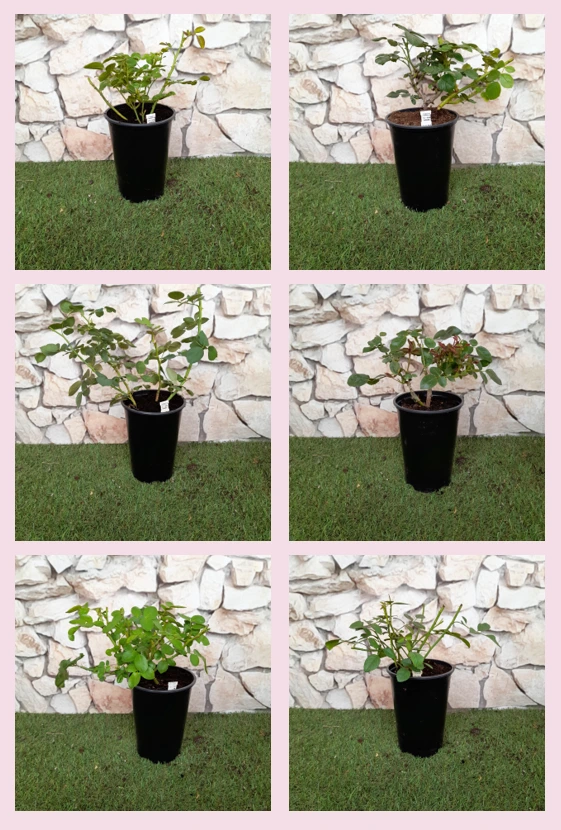
Stock: several varieties and several stages of development in a short stock section.
Shoot system: intensive growth of fresh basal shoots on a young plant.
Root system: presentation of the strong root system interwoven through the growing medium with the pot removed.
Balance: mature plant where the development of the root system and the shoots is in harmony.

Information about the videos
The video series is not a “seasonal showcase”, but makes the essence of pharmaROSA® own-root production tangible: how the plant is built, what the root system is like and how the shoots renew themselves. The footage was therefore taken at different times, showing plants at different stages of development, so mixed leaf coverage or differing growth stages may appear in the videos. This is not a “sample” of the batch delivered, but an illustration of how the technology works. The current condition of the rose available to order — typical of the given period and similar to what you can expect to receive in the parcel — is shown at the top of the product page.

pharmarosa.ptpharmarosa.itpharmarosa.sepharmarosa.eepharmarosa.fikarolinarose.pldanielarose.espharmarosa.compharmarosa.skpharmarosa.atpharmarosa.co.ukpharmarosa.czpharmarosa.depharmarosa.ropharmarosa.sipharmarosa.hrpharmarosa.frpharmarosa.grpharmarosa.dkpharmarosa.nlpharmarosa.iepharmarosa.bepharmarosa.lupharmarosa.bgpharmarosa.ltpharmarosa.lvpharmarosa.ru

Cineálacha táirgí

Pages for private customers
Garden roses for the family garden, with minimal care  → ORIGINAL®
Premium garden roses – instant impact, a truly showpiece garden  → EXTRA®
Pages for professionals and private customers
Roses for public spaces – large areas, sustainable maintenance  → NATURAL®
Roses for projects – hedge and row planting, fast implementation  → RAPID®
For professional partners only
Production – propagation material for garden roses, wholesale  → NEONATAL®

Sonraí cuideachta

PharmaRosa Ltd.
Company registration number: 01-09-717479
VAT number: 13075314-2-43
Plant health registration no.: HU130721
Bank account (IBAN):
HU85117631891388688400000000
BIC (SWIFT): OTPVHUHB
Bank name: OTP Bank Nyrt.