PANOLDAP – pink hybrid tea rose - Panozzo
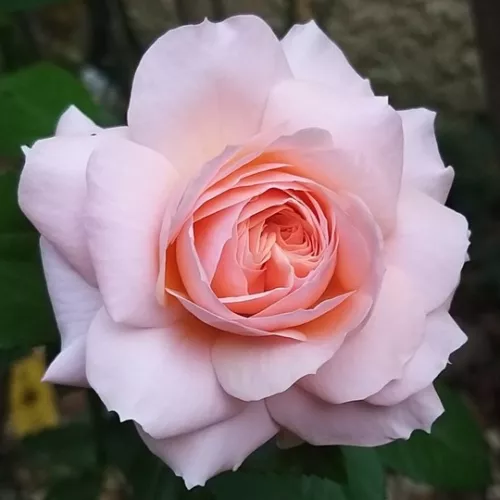
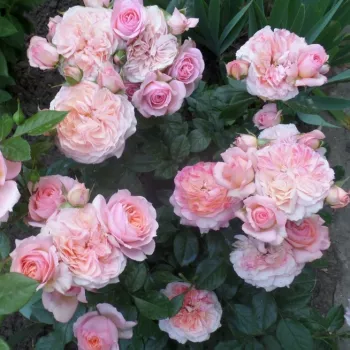
Imagine stepping outside for a gentle stroll, raindrops on leaves and the soft light catching PANOLDAP’s porcelain-pink blooms, their spicy perfume carrying on the breeze. This hybrid tea rose offers the elegant look of an exhibition flower with a homely charm that suits both Irish cottage borders and modest city front gardens. On cool, damp days when Irish weather brings rainfall and lingering moisture, its glossy dark foliage provides a reassuringly lush backdrop to those large, rosette flowers. Planted as an own-root rose in your family garden, PANOLDAP is bred to develop steadily over the years – roots establishing first, then stronger shoots, and by the third season a satisfying, full display you can count on. Its remontant habit means you can look forward to flush after flush of flowers through the short Irish summer, giving long-lasting colour and fragrance where you see it most often – by the front door, along a path, or beside a favourite bench.
Usage options
| Target area |
Reasoning |
| Front garden focal-point shrub |
PANOLDAP’s tall, upright habit and large, exhibition-style blooms make a natural focal point in a small front garden, where every plant must earn its place. One well-positioned bush delivers elegant cut flowers and strong perfume right by your entrance, ideal for homeowners. |
| Irish cottage garden border |
The soft peach‑pink rosettes blend beautifully with cottage favourites, while the remontant flowering keeps colour coming between traditional perennials. Planted in free‑draining soil improved with organic matter, it copes well with typical Irish moisture and rainfall, suiting relaxed cottage‑gardeners. |
| Dublin terraced-house front railings |
Its upright structure fits neatly behind low railings or along a short path, giving height without overwhelming narrow beds. Regular preventative spraying keeps foliage smart and glossy, supporting a refined look in compact city spaces cherished by busy urbanites. |
| Large decorative container on patio |
Grown in a 40–50 litre pot with good drainage and quality compost, PANOLDAP becomes a movable feature, allowing you to enjoy the fragrance near a seating area. Container culture also makes watering and plant protection routines straightforward for practical beginners. |
| Cut-flower and exhibition corner |
The long stems and large, double blooms are ideal for indoor vases or show use, rewarding attentive feeding and spraying. A small, dedicated cutting patch with easy access to water and tools suits methodical hobbyists. |
| Paired with pollinator plants |
Although only moderately attractive to pollinators, PANOLDAP combines well with nectar-rich companions such as honeysuckle or clematis, giving you both romance and wildlife value. This layered approach appeals to nature‑minded gardeners. |
| Long-term structure in a family bed |
As an own‑root rose, PANOLDAP is capable of regenerating from its base, helping it recover from weather setbacks and pruning over many years. With thoughtful care, it matures into a stable feature that suits forward‑planning families. |
| Formal rose bed or park-style layout |
Regular spacing at 50 cm in beds or 40 cm as a low hedge creates a classical rose‑garden effect, especially when combined with consistent feeding and disease management in Ireland’s moist conditions, rewarding detail‑oriented planners. |
Styling ideas
- Cottage-Romantic – Thread PANOLDAP through mixed borders with foxgloves, hardy geraniums and honeysuckle for a soft, storybook look – ideal for lovers of relaxed Irish cottage charm.
- Front-Door-Showcase – Flank your path with two large potted plants in 40–50 litre containers, underplanting with low thyme or violas – perfect for homeowners who want instant kerb appeal.
- Pastel-Harmony – Combine with white campanulas, silvery Stachys and pale pink clematis for a calm, powder-soft palette – suited to those seeking a soothing, gentle garden mood.
- Cutting-Corner – Dedicate a sunny strip with several PANOLDAP bushes and easy annual fillers like cosmos, giving reliable stems for the vase – attractive to practical flower arrangers.
- Formal-Rose-Room – Plant in even rows with box or low lavender edging, mulched well for clean lines and easier upkeep – appealing to gardeners who enjoy classic, structured layouts.
Technical cultivar profile
| Parameter |
Data |
| Name and registration |
Hybrid tea rose, registered as PANaldap, traded as Panoldap Hybrid tea rose PANaldap; group: Rós taehibride; exhibition and cut-flower type suited to garden and decorative use. |
| Origin and breeding |
Bred by Bernard Panozzo in France, introduced and registered in 2011; distributed initially by Pétales de Roses, with parentage not recorded and limited historical background information available. |
| Growth and structural characteristics |
Upright bush 80–110 cm high and 60–85 cm wide, with dense, dark green, glossy foliage and moderate prickles; forms a well-filled shrub suited to beds, hedging or container display. |
| Flower morphology |
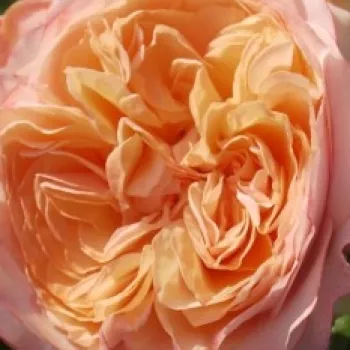
Large 7–10 cm double rosette blooms with 26–39 petals, borne mainly singly on stems; remontant habit with a generous second flush, offering strong ornamental value for cutting and display. |
| Colour data and phenology |
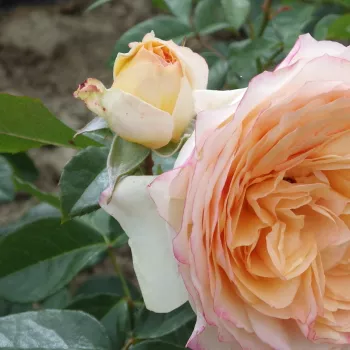
Soft peach‑pink flowers with a warmer centre and lighter outer petals; apricot‑coral when fresh, fading to powder‑pink cream; ARS code DP, RHS 53A–53B, with average colour retention through the season. |
| Fragrance and aroma |
Strong, spicy rose fragrance noticeable from a distance, adding sensory impact near paths, doors or seating; particularly rewarding when planted where air movement can carry the scent past regular walkways. |
| Hip characteristics |
Produces moderate numbers of decorative ellipsoidal rose hips, 8–12 mm in diameter, ripening to an orange‑red colour and offering late‑season interest when spent blooms are left in place. |
| Resistance and winter hardiness |
Hardy to approximately –26 to –23 °C (RHS H7, USDA 5b, Swedish zone 4); however, very susceptible to powdery mildew, black spot and rust, so consistent preventative plant protection is strongly advised. |
| Horticultural recommendations |
Best in fertile, well‑drained soil with regular feeding and mulch; spacing 50 cm in beds, 40 cm for hedges, 75 cm solitary; suitable for beds, parks, specimen use and large containers in partial shade. |
PANOLDAP offers large exhibition-style blooms, a strong spicy fragrance and long repeat flowering on an own-root shrub that builds longevity into your garden, making it a thoughtful choice if you enjoy tending roses with care.